
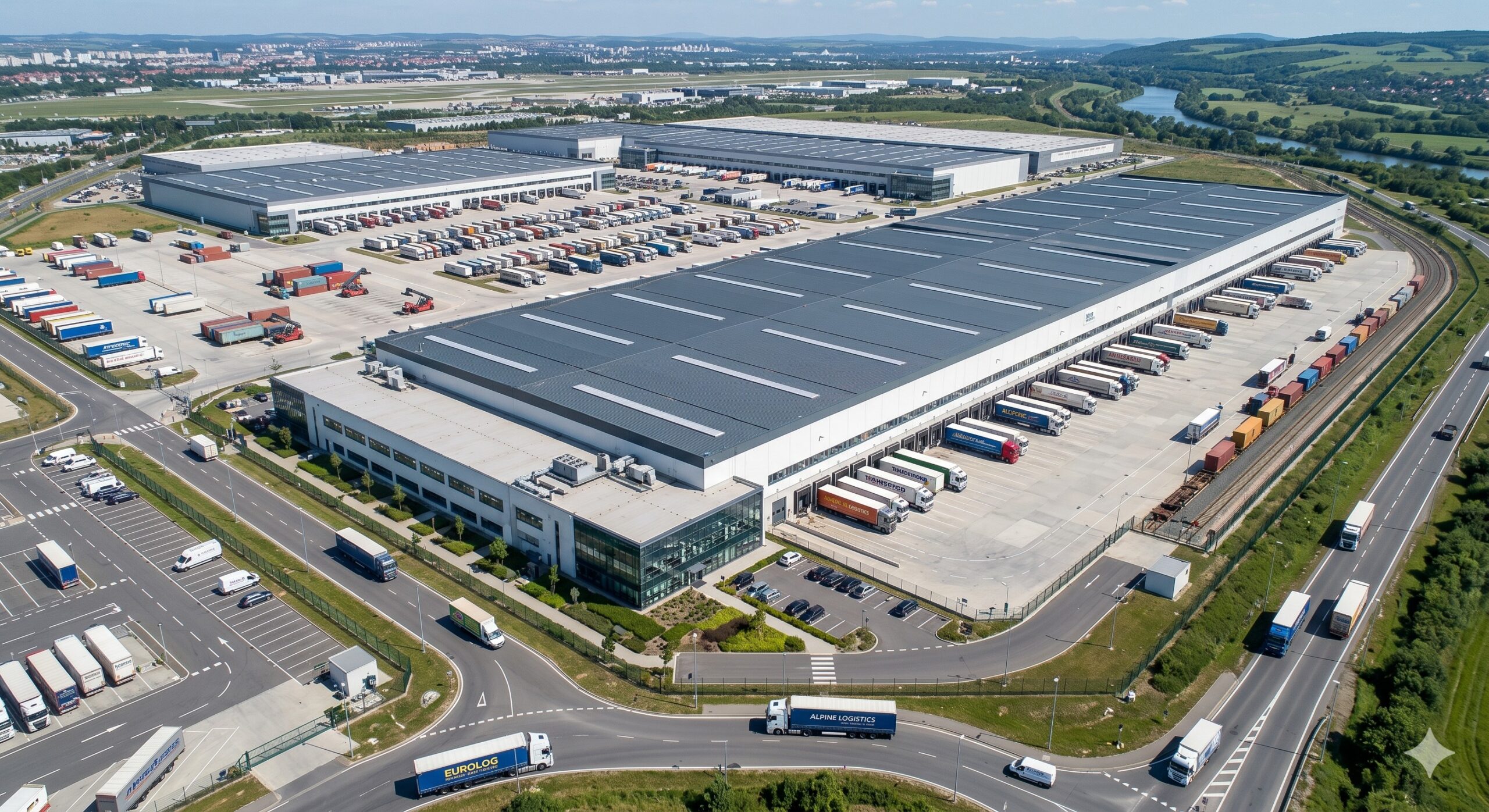
Europe’s driver shortage is no longer a temporary hiring challenge — it has become a structural operational risk.
For years, transport and logistics companies treated shortages as a recruitment problem: post more ads, raise wages, hire faster.
Yet even with aggressive recruitment, many fleets are still dealing with:
- Idle trucks
- Delivery delays
- Rising operational costs
- Inconsistent route coverage
- Growing customer dissatisfaction
The real challenge is no longer simply finding drivers.
It is about maintaining sustainable workforce continuity
What’s Driving Europe’s Structural Driver Crisis?
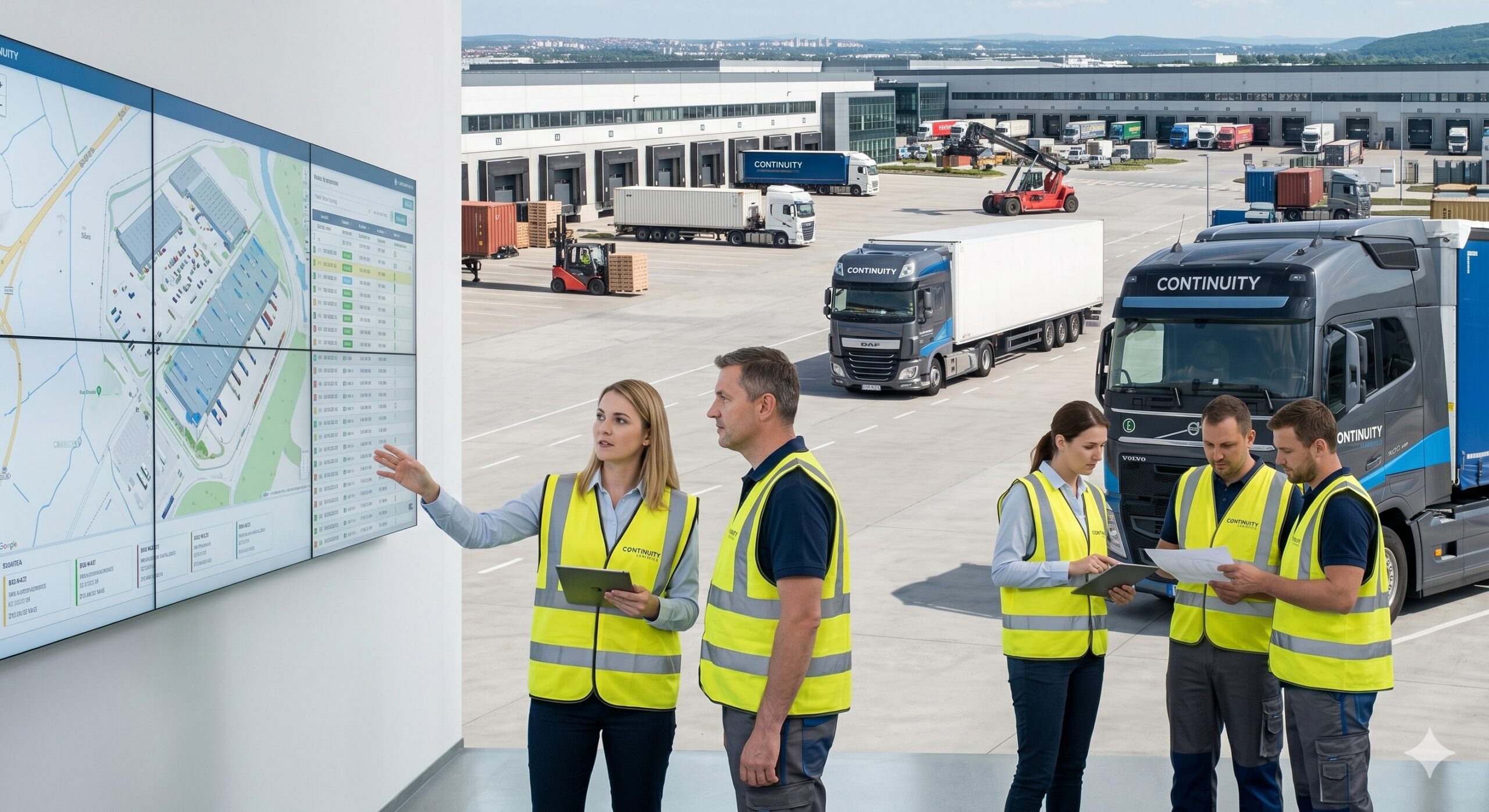
Several long-term trends are reshaping the transport labor market:
Aging Workforce
A large portion of drivers in many European markets is approaching retirement.
Challenging Working Conditions
Long hours, regulatory complexity, and high operational pressure continue to deter younger workers.
Migration Patterns
Drivers from lower-wage countries are increasingly moving to higher-paying markets, creating shortages in origin countries.
Poor Retention
High turnover continues undermining recruitment efforts when onboarding and retention systems remain weak.
Seasonal Volatility
Peak-period surges continue exposing how fragile many workforce systems truly are.
The Hidden Operational Cost
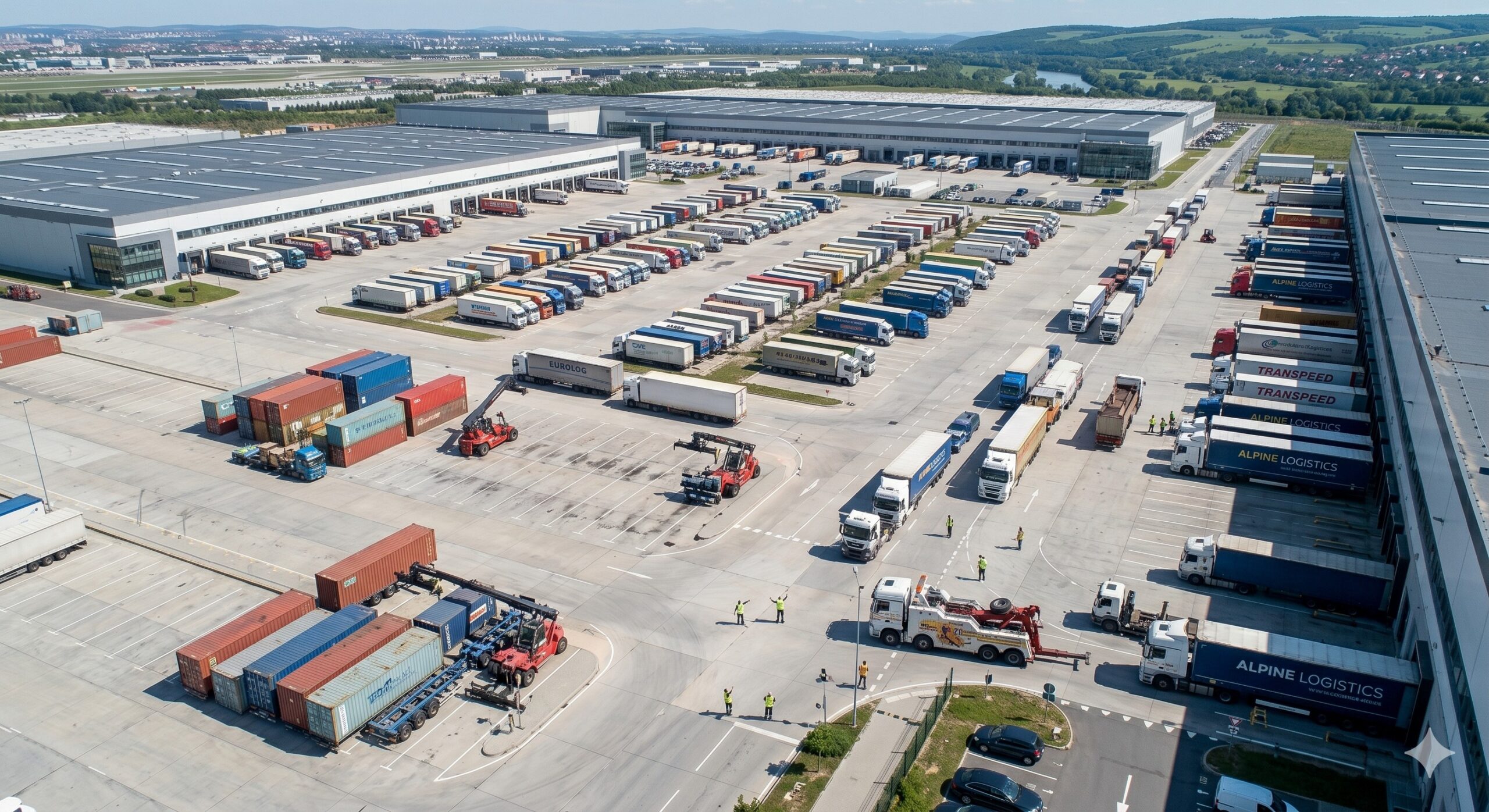
Driver gaps create far more damage than many operators initially realize:
- Lost daily revenue
- Missed contracts and penalties
- Poor asset utilization
- Higher fixed costs per trip
- Damaged service reliability and customer trust
Even relatively small shortages can trigger large-scale operational disruptions.
Why Traditional Hiring Models Are Losing Effectiveness
Traditional approaches — local hiring, salary competition, reactive recruitment, and short-term staffing — are increasingly reaching their limits.
Leading operators are shifting toward more strategic solutions:
- International driver pipelines and third-country recruitment
- Stronger retention and workforce development systems
- Greater operational flexibility
- Long-term workforce capacity planning
Early Warning Signs: Romania, Poland & Beyond
Countries such as Romania and Poland are increasingly becoming indicators of wider European transport labor pressures.
As domestic labor pools tighten:
- International recruitment becomes more critical
- Workforce diversification increases
- Structural shortages become more visible
These markets may offer valuable early lessons for the broader European logistics sector.
Workforce Strategy = Business Strategy
In tomorrow’s logistics market, competitive advantage may not belong to companies with:
- The most trucks
- The fastest hiring teams
But rather to those with:
- Robust workforce ecosystems
- Reliable driver continuity
- Flexible capacity models
- Sustainable retention systems
The Strategic Question for Transport Leaders
Are transport operators still treating driver shortages reactively?
Or are they building long-term operational resilience?
In today’s environment:
Workforce stability = Operational stability
Final Thoughts
Europe’s driver shortage has evolved from a labor issue into a broader strategic business challenge.
Operators that rethink workforce strategy now may be far better positioned to:
- Protect capacity
- Maintain client trust
- Scale operations efficiently
- Remain competitive under increasing operational pressure
The companies preparing for long-term workforce resilience today are likely to outperform those still reacting tomorrow.
How are transport operators adapting to long-term workforce instability in your market?
As workforce pressures continue reshaping logistics operations across Europe, strategic workforce planning is becoming increasingly important for maintaining operational continuity and long-term resilience.
Building Long-Term Workforce Stability
As operational pressure and workforce shortages continue impacting Europe’s logistics sector, long-term workforce planning and access to reliable international talent pipelines are becoming increasingly important for maintaining operational resilience.
Explore Orbit EU’s overseas recruitment solutions for Europe’s transport and logistics industry:
About Orbit EU
At Orbit EU, we continue monitoring workforce and recruitment trends across Europe’s logistics and transport sectors while observing how companies are adapting their long-term workforce strategies in response to changing operational pressures.