
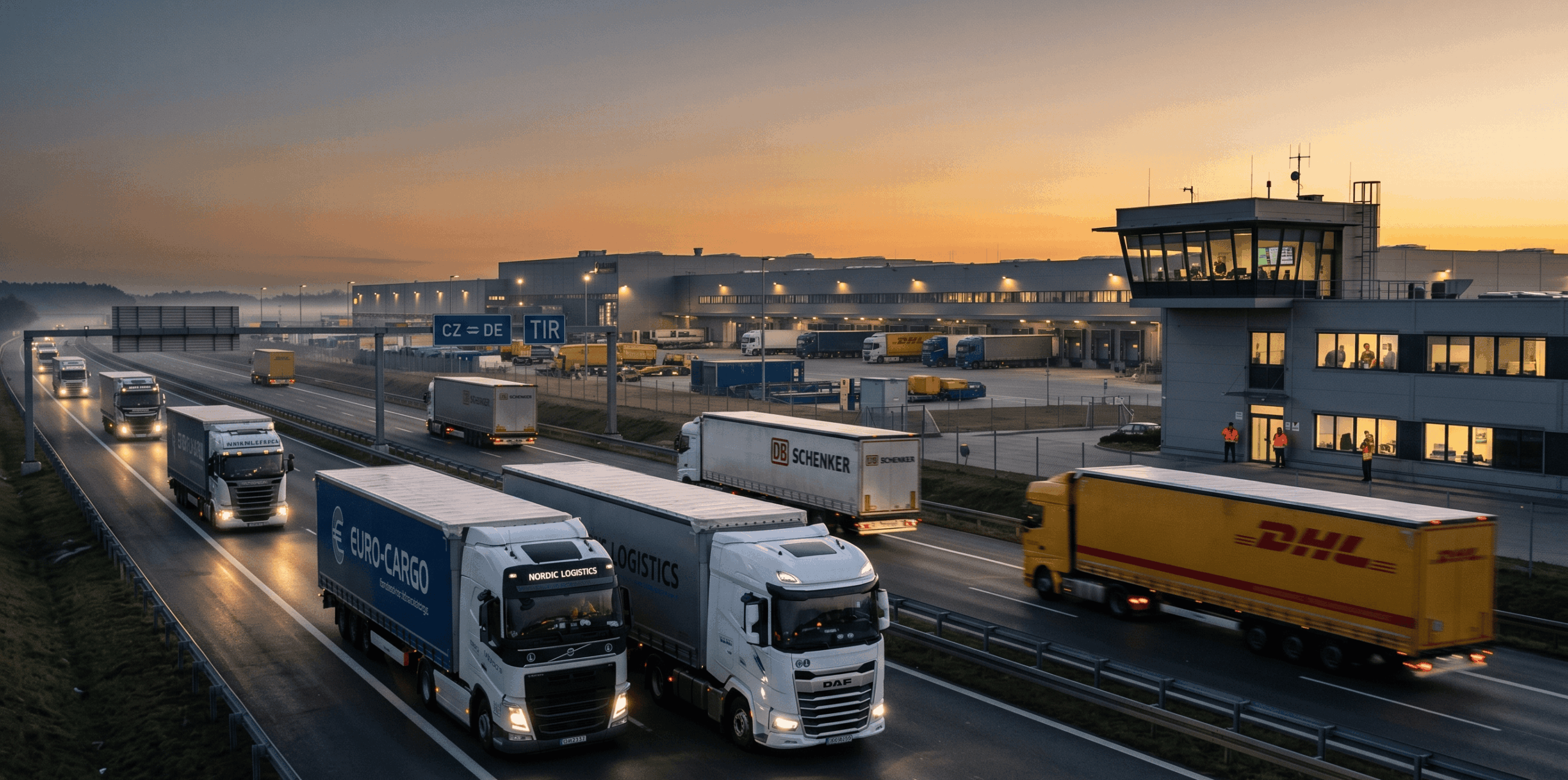
For years, European transport operations followed a relatively predictable model: optimize routes, manage fuel costs, maintain fleet efficiency, and the supply chain would continue moving.
Today, that model is under increasing pressure.
Across Poland, Germany, Czechia, Romania, and the wider CEE region, logistics operators are dealing with tighter delivery windows, rising operating costs, and growing customer expectations. But increasingly, the biggest threat to transport continuity is not fuel volatility or vehicle procurement delays.
It is driver stability.
1. The Operational Consequences: Understanding the Fleet Ripple Effect
Many companies still underestimate the daily operational impact of driver shortages. The issue is rarely limited to a single delayed truck or an unfilled route. When driver availability becomes inconsistent, disruptions do not remain isolated; they trigger a cascading ripple effect across the entire operation.
Consider the true operational cost of a single unstaffed line-haul route:
- The First Friction: A missed route immediately triggers carrier performance penalties from shippers and drops asset utilization metrics.
- The Secondary Delay: Unpredictable arrival times create immediate terminal bottlenecks, disrupting warehouse cross-dock labor schedules and causing yard congestion.
- The Hit to the Bottom Line: Dispatch teams are forced into last-minute spot-market replanning, paying premium rates to third-party sub-contractors just to protect delivery commitments.
Over time, even small gaps in driver coverage reduce overall fleet efficiency, erode operating margins, and strain customer relationships. For an operator running a 100-vehicle fleet, a seemingly minor 10% driver vacancy rate does not mean 10% less capacity—it can cause a 30% reduction in effective fleet utilization during peak execution periods due to systemic delays.
That is why leading transport companies are shifting their focus away from theoretical fleet capacity and toward operational stability and predictability.
2. Why Reactive Staffing Models Are Failing

For years, many transport businesses relied on reactive hiring models: a driver leaves, a vacancy is posted on a regional job board, and the replacement process begins.
That approach no longer works because it treats a long-term problem with a temporary patch. The driver shortage affecting parts of Europe is no longer a short-term or seasonal challenge. It is a permanent structural shift driven by an aging domestic workforce, intense cross-border competition, and expanding industrial transport demand.
When a business relies entirely on reactive hiring, its entire operational planning becomes highly vulnerable to constant localized labor shocks. Fleet managers spend valuable hours solving short-term staffing emergencies instead of focusing on network optimization, lane density, and customer satisfaction.
The companies adapting most successfully are changing the way they view workforce continuity. They treat driver stability not as an administrative HR backup plan, but as a core operational asset—with the exact same strategic rigor applied to fleet availability, route telematics, or warehouse automation.
3. Creating Stable Cross-Border Operations
Forward-looking logistics providers are no longer depending solely on exhausted local hiring pools. To build true network resilience, companies must transition from emergency recruitment to diversified, broader workforce strategies designed to create predictable operations at scale.
To move away from reactive fixes, modern logistics enterprises look at their workforce strategies across three practical areas:
| Focus Area | Daily Operational Target | Real Impact on the Fleet |
| Predictable Sourcing | Moving from emergency job postings to continuous, dedicated international pipelines. | Eliminates the 30-to-60 day operational lag when a seat becomes vacant. |
| Rigorous Vetting | Implementing strict pre-screening for technical handling, safety compliance, and language skills. | Minimizes on-site onboarding friction and protects carrier safety scores. |
| Compliance & Retention | Establishing transparent legal frameworks, visa support, and structured onboarding. | Reduces driver turnover and insulates the fleet from localized labor shocks. |
The objective is no longer simply filling vacancies when problems appear. The objective is protecting operational continuity before disruptions happen.
4. The Real Competitive Advantage
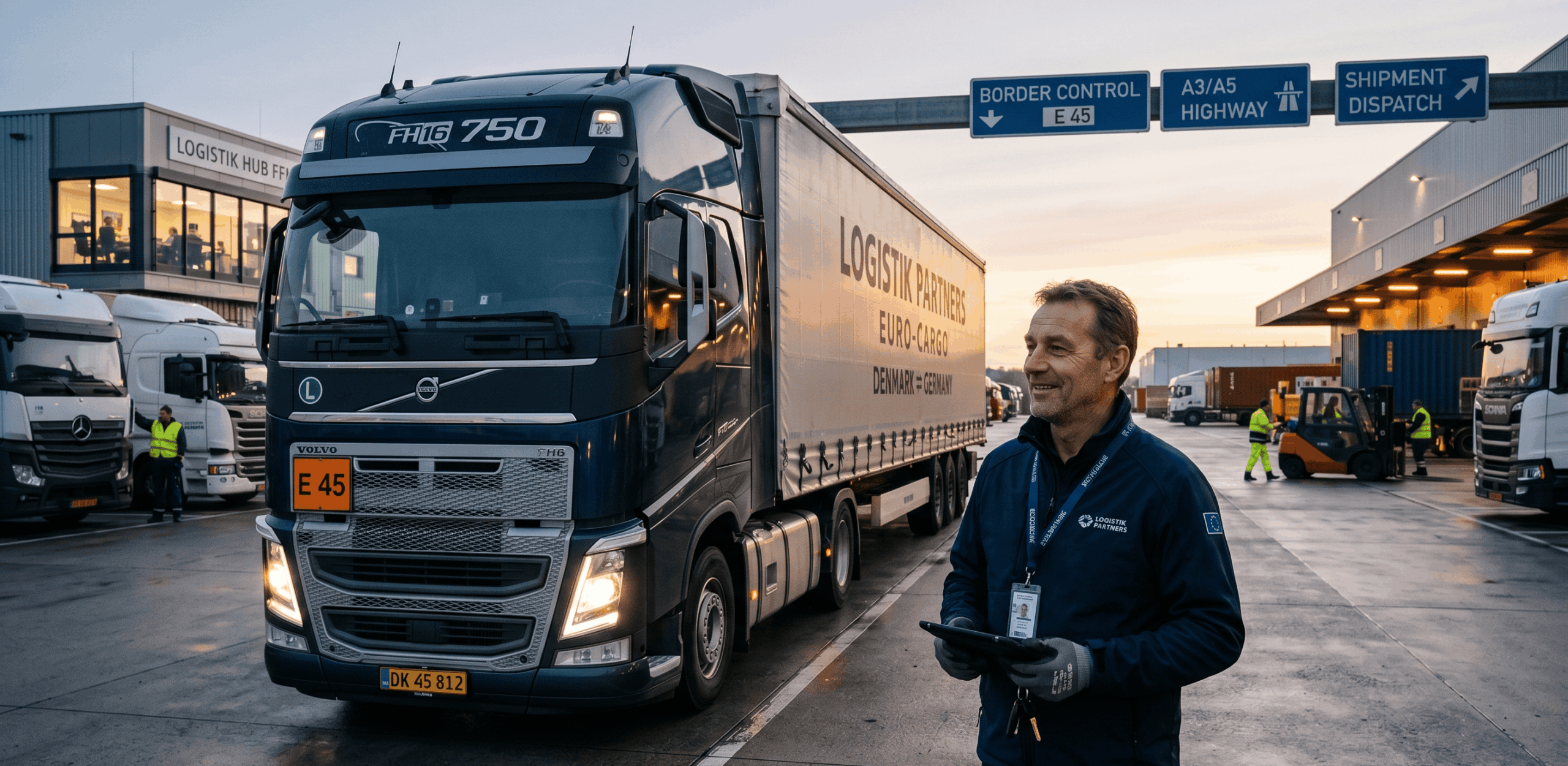
The modern logistics industry has access to advanced routing systems, visibility platforms, telematics, and increasingly sophisticated transport technology. A single dispatcher can track a container across continents down to the exact meter.
But technology alone cannot turn a wheel. Even the most efficient transport network still depends on reliable, qualified people behind the wheel.
As pressure across European supply chains continues to grow, the market will inevitably split into two groups: companies that are constantly reacting to capacity crises, and companies that have built stable, predictable networks from the ground up. The ultimate competitive advantage won’t be the software in the office—it will be the stability of the workforce behind the fleet.
Is your fleet insulated from localized labor shocks?
At Orbit EU, we help European transport operators move away from reactive hiring by building dedicated, international driver pipelines that ensure 100% operational continuity.